
Make August less stressful and still enjoy summer break!
We all know that there’s no tired like the-first-week-of-school tired. Today I’m sharing 3 tips to make the school year less tiring.

Source: https://www.weareteachers.com/back-to-school-memes-for-teachers/ (there are so many great memes here to adequately depict how we all feel come back-to-school time)
But what if we could do something now to make it a little less tiring. And I’m not talking about copying, cutting, and laminating, or even setting up your classroom early. Today I’m sharing some general things you can do anytime during the summer to set you up for success next school year.
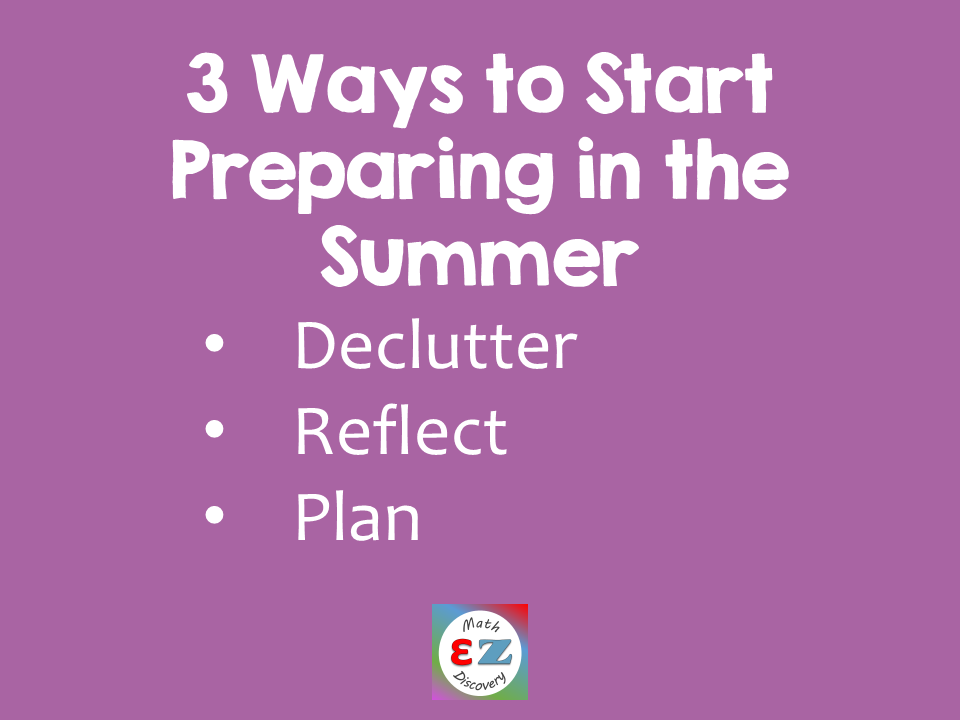
Declutter
I like paper files. The organization method that works best for me is to have each semester or quarter in its own binder for each class. While most of my files are digital, I find having everything printed out in the order I plan to teach it much easier, especially when I go to make copies for students.
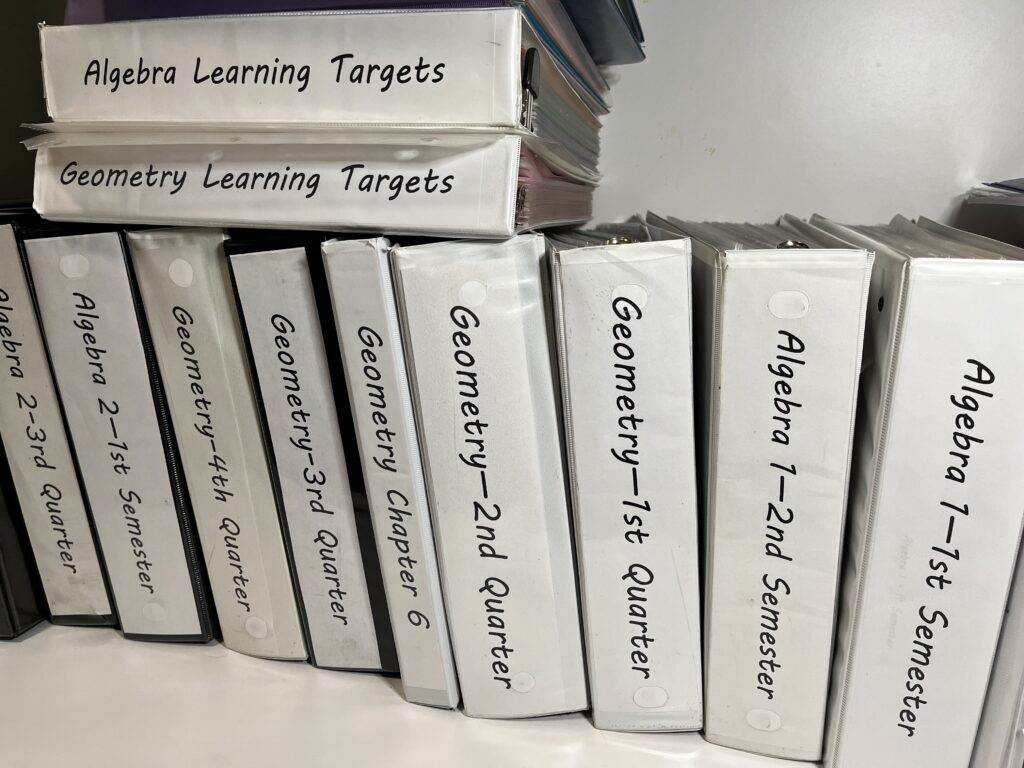
But there are times throughout the year where I don’t put everything back where it belongs, or I decide I no longer want to use a particular notes sheet or resource. Now is the time to go through those binders and declutter them, when it’s not urgent. That way I don’t have to spend time frantically looking for an answer key when I need to already be grading a stack of tests.
Even if you don’t use a lot of paper in your classroom, summer is a great time to go through and declutter your digital files. Are there duplicates? Do you no longer teach a topic a certain way? Is there a resource you downloaded that you didn’t like or use? Get rid of them now to make it easier during the school year to find what you need.
Besides your teaching materials, there are a lot of easy thing to get out of your classroom or office.
Don’t forget to declutter old student work. I just found a pile of old student surveys buried under other papers. It was pretty easy to just chuck them in the garbage.
Outdated technology is another easy one. If it’s school property, check with them first about how to get rid of it. You should also check if it’s something that needs to be disposed of in a special manner.
Now is a great time to go through your supplies and chuck anything that is dead or broken – like glue sticks, markers, etc. (The best time to do this is really at the end of the school year. You can have students help you go through school supplies – like if they finish their final exam early.)
Reflect
Sometimes we are so busy we just keep on pushing forward without taking the time to stop and make improvements. When there’s so much to do, there isn’t always time to think and make changes. We know that the best way to improve is to stop and reflect. What worked, what didn’t work, and how can I make changes to improve my instruction? Are there lessons or units that I didn’t cover that I wish I had, or covered more in-depth? Now is a great time for that reflection.
If I know a lesson needs to be improved or a worksheet has a typo, I try to make a note somewhere either in my binder or lesson plans so I can go back and fix it before next year. The summer is a great time to make those changes, when things are not urgent.
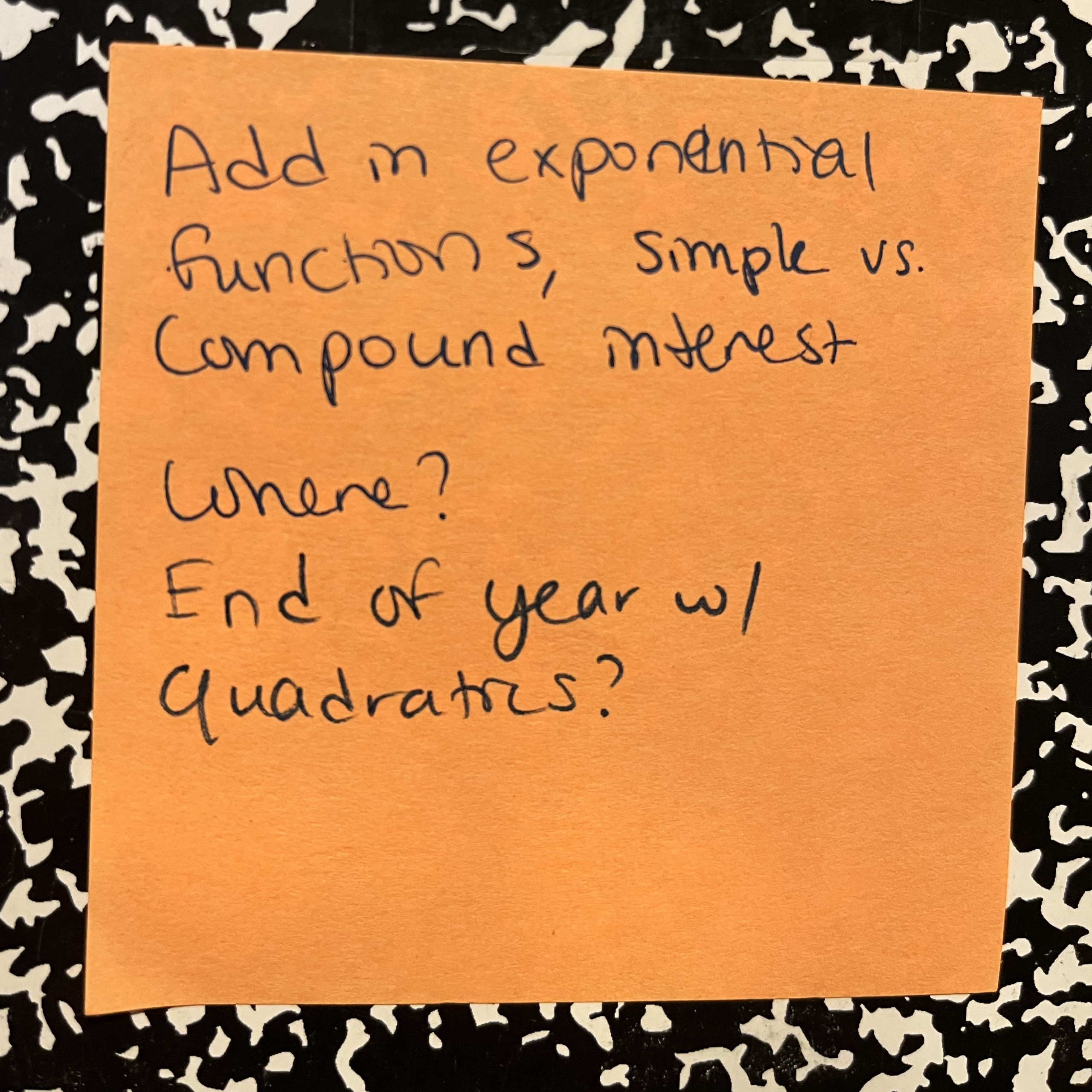
During the school year we rarely have the luxury of time. So now is the time to let your mind wander a little. Brainstorm. Come up with new ideas. Sometimes I know a lesson didn’t work but I don’t know how to fix it in the moment. In the summer, I can allow myself time to let my creativity flow and come up with better solutions.
Plan
Get to Know the Standards and Curriculum
As I’m currently working on revamping the learning targets for algebra 2 (which I plan to post in my TpT store soon), I’m thinking about what targets I plan to teach next year. But I can only make a plan after I know, and have thought through the curriculum.
Now is the time to go through any curricular materials your district has given you. Look through your textbooks – what topics are covered, what does the pacing guide say. If you’re teaching a course you’ve taught before, use the reflection that you’ve already done to decide what to prioritize for the upcoming school year.
Make a Year-Long Curriculum Plan
Teachers make tons of decisions every day. Decision fatigue can lead to cognitive decline, according to Roy F. Baumeister. Making decisions less frequently can help reserve our energy for when we need it to make more important or urgent decisions.
I was usually pretty good at coming up with a unit plan, or at least a general outline for my students to follow, even if it wasn’t a fully fleshed out UbD unit plan. When I spend the time in the summer to review the learning targets and map out the year I don’t have to keep remaking decisions.
For example, a friend suggested monthly meal planning. That sounded like too long a time span to plan for. I could do 1 or 2 weeks but beyond that sounded too rigid. I figured I’d give it a try and it was life-changing – life is a lot more stressful when I don’t take the time to do it. Now instead of spending 20 minutes every night debating what to make for dinner the next day, I spend an hour once a month planning – that’s about 1/10th of the planning time I was spending.
The great thing about this is that it’s set (but not in stone) with a calendar in my google drive. When I was planning day to day sometimes I would think things through for a couple days at a time, like “I want to make eggplant parmesan this week but I don’t have time tomorrow so I’ll make it on Thursday.” Then I would forget that I had already made that decision and rethink it Wednesday night. I was constantly rethinking decisions I had already made since I didn’t have a real plan.
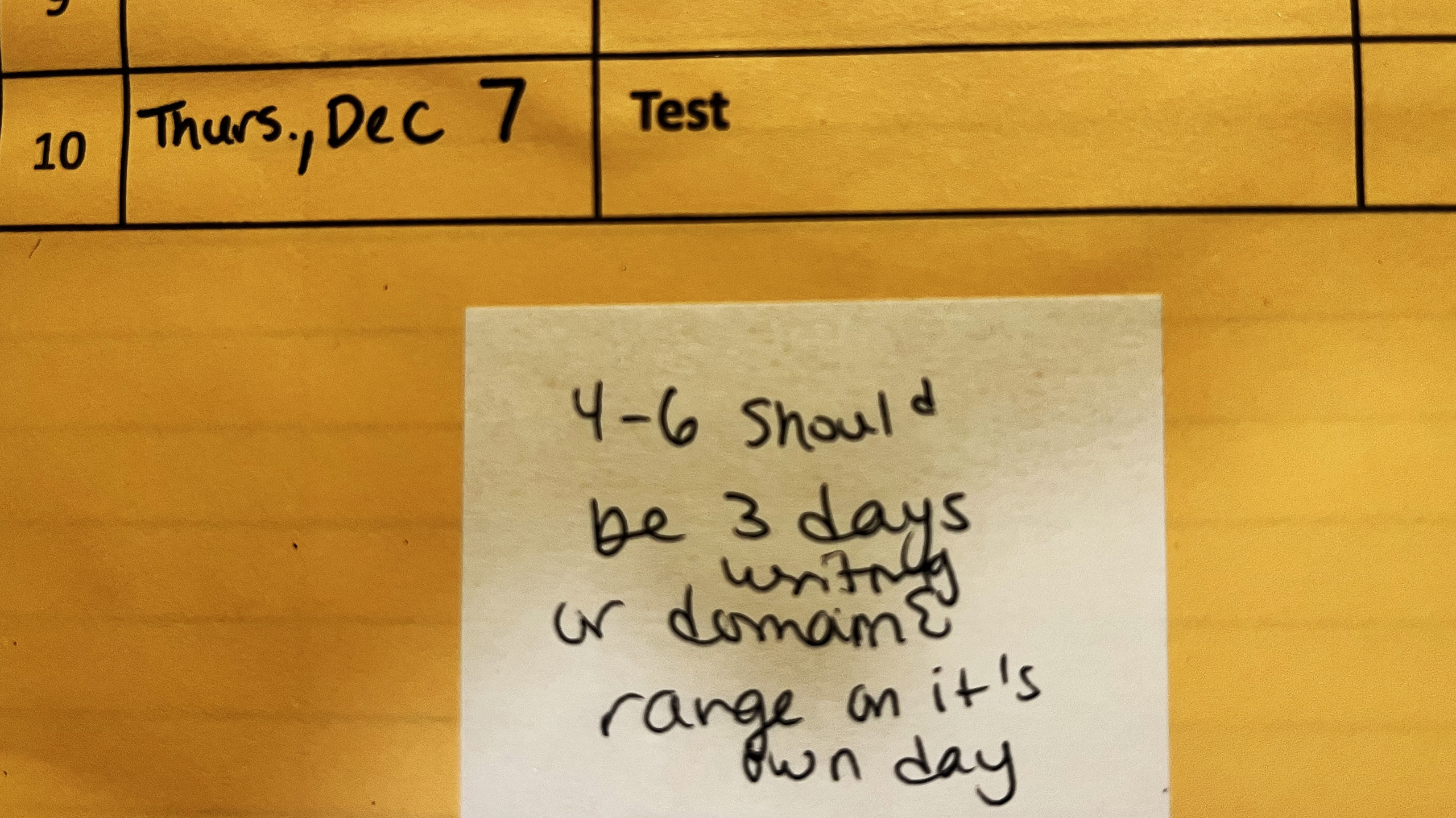
The same idea can be applied to curriculum planning. I make it really simple with these basic calendar templates that I print and copy double sided (2 pages usually covers a whole course). I then add in the key school calendar dates for the year. Then I go through the first unit in pen, while planning the rest of the year in pencil (because I know things will change). I generally have an idea of how long a unit will take without having to plan out every lesson. In doing this, I get an idea of where I can spend more time, if necessary, or I can decide to speed things up or cut them out to make room for higher priority topics. This is especially useful after I have had the time to reflect.
Make Progress Where You Can
Now, all of these steps could go on forever. As teachers we know about never ending to-do lists, but prioritizing these steps, even partially, will set you up for success in the school year. Any little bit that you can declutter will be better than doing none at all. Even if you only have 20 minutes – set a timer and focus.
But do try to go through all three steps – declutter, reflect, plan. Don’t get stuck in brainstorm mode that you forget to actually execute. Don’t get stuck on planning for the first week back to school that you forget to plan for the rest of the month or the year. Basically, do the best you can with the pockets of time you have, and still enjoy your summer and refresh for the next school year!
Comments
2 responses
Great content! Keep up the good work!
Thank you!